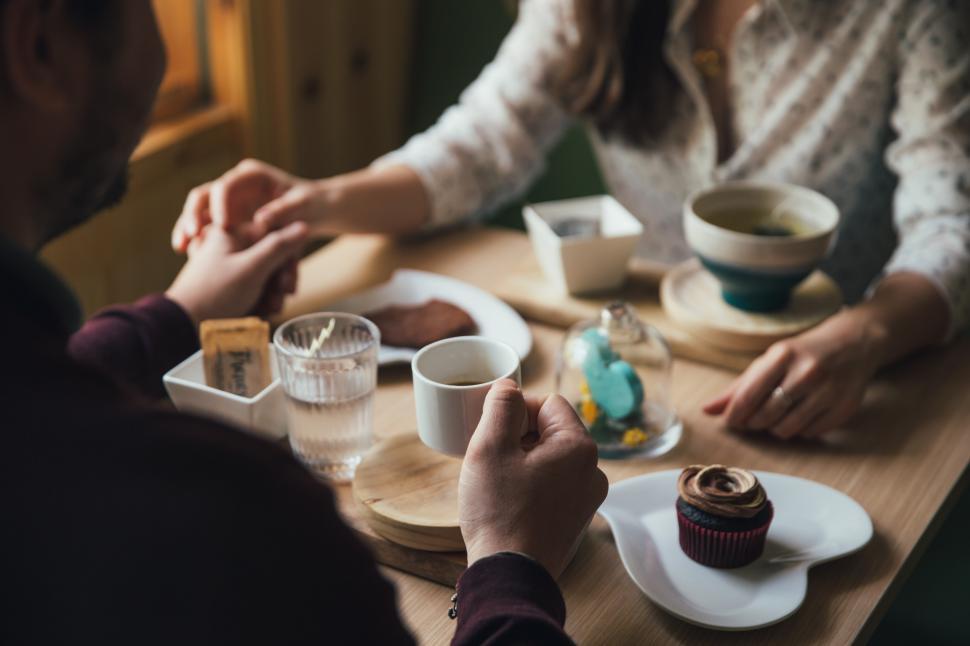
Intimate relationships are a relationship between two people that is both emotional and physically close. This type relationship is most often sexual, but it could also be nonsexual. It is a form of love that can last a lifetime. Both parties must work hard to make it work. Intimate relationships can be a vital part of our lives and contribute to our overall well-being.
Experiential intimacy
Experiential intimacy is a form of intimacy where two people share a shared experience. This type of relationship is different from a friendship in that the two people are active in the relationship. It might involve attending an aerobics course or visiting a religious facility together.
Experiential intimacy is a way to strengthen a relationship. It allows you and your partner to learn new things together. A couple should compile a list with the experiences they wish to share. It is important to find a balance between shared and personal space. Watching movies and cooking together are two ways to foster experiential intimacy. Couples may also enjoy new hobbies, such as gardening.
Confluent love
Confluent relationships are intimate ones that are based on the mutual needs of the partners. This type of love emphasizes equality, mutual respect and emotional well-being. It's not monogamous, and both partners must be open to each other.

Confluent Love is not monogamy in the sense that it doesn't provide sexual exclusivity but can hold a couple together and bring mutual benefits. This type of relationship tends to be more common with young couples. In fact, studies have shown that the frequency of divorce is highest among couples in their early 20s. Recent articles have discussed the growing trend of'starter marriages' and the stigma associated with being 'left on the shelf'.
Bidirectional relationship
Bidirectional intimate relationship violence (BIRV) is a type of mutual violence, where both partners use violence against one another. It can occur in any kind of relationship. However, there is a high prevalence in intimate relationships where both partners use violence. Recent systematic reviews found that 57% of violent relationships were bidirectional. Gender does not influence violence in relationships. Women are more inclined than men to report violent incidents.
Bidirectional abuse refers to violence between partners, often with the intention of controlling one another. This abuse can be both physical or emotional. An abuser might use violence against their partner for self-defense or revenge.
Trust
To create a happy and lasting relationship, trust in your intimate relationships is key. Establishing clear expectations is key to building trust with your partner. Your partner should be able to hear your feelings and emotions. You should also be honest with your partner about your needs and desires. The key to trust is building trust and doing the right thing for each other.
The foundation for trust in an intimate relationship is the belief that the other party is trustworthy. Higher trust between two people makes it easier to be vulnerable. This, in turn, creates a feeling of reciprocal vulnerability that is low-risk. This creates a higher level of positive intimacy.

Give of yourself to others
The key ingredient to an intimate relationship is compassion. Without it, the relationship will not be able to sustain itself. Compassion is not about feeling sorry for someone or agreeing with their opinion; it is about showing the other person that you care. It is possible to show compassion in many different ways, such as listening to your partner's struggles.
The feeling of joy and peace that compassionate love can bring is known as "compassionate love". It is a powerful emotion that can transform even the most hateful person. It is more common to feel it in an intimate relationship.
FAQ
What should I do if my boyfriend/girlfriend isn't interested in me anymore?
You assume that when you begin dating someone new, you will spend your entire lives together.
But sometimes, this assumption proves wrong. In fact, many people find themselves in a situation where their partners don't really like them anymore.
You may feel confused and sad. So if you're experiencing this problem, then you need to know what to do next.
First, be open to the possibility that your partner doesn't like you anymore. If you refuse to believe them, you'll only cause further pain.
Next, you should try to understand why they don't like you. You may not like certain people.
For example, maybe they don't like your personality. Maybe they don't like the way you look.
You shouldn't be ashamed of yourself, no matter the reason. You did nothing wrong.
You should work hard to improve yourself and make it more attractive to your spouse.
What is the time it takes to disintegrate?
It's not always easy to decide if it's worth keeping your relationship. No matter how hard we try, we won't always be successful in breaking up.
You might need to take longer if you try to end things by talking to someone who isn’t interested in listening.
You may not be successful even after trying everything. This is because some people aren't meant for each other.
You should talk to someone first if you want to end your relationship with them. Tell them you have made a decision. Ask them if it is okay.
If they say yes, then you should follow through with your plan. But, if they say no, then you should reconsider.
Can I trust my girlfriend/boyfriend?
It is normal to worry about your partner's trustworthiness. It's normal to worry about whether you can trust your partner.
You should always talk to your partner if there are any questions. Ask them if they're trustworthy.
If they give you a positive answer, you should see them again. If they give you negative feedback, it is best to cut ties.
How to manage a confidante partner
If you are looking for advice on how to deal with a clingy partner, then there are many ways to do this. Talk to your partner about what you want, but if they aren't interested, you might need to take steps.
It might be worth taking a trip away with your partner at least once per week, to allow yourself to reflect and dream.
If you feel like you're being controlled by someone who doesn't respect you then you should probably start considering leaving.
It is important that you remember that although you may be inseparable, you each have your own needs. You might want one person to be near all the times while the other wants to go out only occasionally.
You need to question why you are spending so much time with your partner. Is it because you enjoy their company, or is it because you fear losing them?
Once you know the answer to that question, then you'll be able to decide whether you want to stay or leave.
How can I stop being jealous at my ex-boyfriend’s new girlfriend.
Jealousy should never be a bad idea. It's unhealthy and painful.
Jealousy has the same effect as poison. It starts eating away at your insides once you swallow it. You'll be angry about nothing. You'll lose all your sleep over something you don't even care about. You will waste your money on useless things.
Worst of all, you will begin to believe you are not worthy of love.
It is important to realize that jealousy does not always have to be bad. Sometimes jealousy can be healthy. It's normal to feel anxious about losing someone or worried that they might leave you.
When jealousy is excessive and causes us to think in ways that harm ourselves and others it's time for help.
There are many options for therapy. Some focus on helping people learn better coping strategies. Others help you to manage emotions more effectively. Still, others focus on teaching you how to communicate better.
No matter which therapy you choose, you should ensure that it helps to deal with your jealousy instead of making it worse.
What is the difference in a friend and a love interest?
A friend is someone that you can talk with about anything. A lover can be someone you can talk to on any topic.
How can I come out of a split?
It can be difficult to cope with a breakup, especially if you had hoped to make things work between you and your ex.
You can learn to deal with a breakup. You can get over your breakup faster if you follow our advice.
Remember that most breakups do not last forever. This means that you'll eventually see your ex again.
You should also look back at the memories you have shared. You can feel optimistic about the future by remembering these moments.
Thirdly, reflect on how you behaved during the breakup. Was it a bad thing that you did to your ex?
If you did, you should apologize. By doing so, you can show that you have changed.
You should also avoid getting into arguments and fighting. Instead, it is best to try to calmly talk things out.
Remember: it's never too late to mend bridges with an ex. You just need to put in a little effort.
Statistics
- It's less than 1% of the variation in overall marital satisfaction. (time.com)
- Meanwhile, a 2010 study of twenty-three thousand married couples found that the similarity of spouses accounted for less than 0.5 percent of spousal satisfaction. (time.com)
- Why Relationships Matter Find a therapist to strengthen relationships With the national rate of divorce hovering close to 50 percent, people understandably wonder how they can make a relationship last. (psychologytoday.com)
- The story they tell predicts with 94% accuracy whether they will divorce in 3 years. (time.com)
External Links
How To
Tips for your first date
It is always a thrilling moment in someone’s life. It is full of anticipation and excitement. This is the moment where you want make your date feel special. You want her to know how special you are and how important she is to you. However, what if you do everything right but still fail to impress her? You can also make a fool yourself if your efforts are not enough.
The first date is one of our life moments very seriously. We spend hours planning our first date. These factors all play a part in making this event a success. However, there are some things you need to know before you go on your first date.
-
Be prepared. Before setting off to go on your first date, you should prepare yourself mentally. Think beyond the date and think about what you'd like to talk about in the conversation. Talking calmly will help you avoid getting distracted and nervous. If you worry that you might forget something, you can write down what you wish to say ahead of time.
-
Be dressed appropriately Dressing appropriately for your first date is essential. Don't dress too casually, or you could ruin the atmosphere of the evening. Look for clothes that show who you really are and complement your personality. You can choose trendy clothes if your personality is more fashion-oriented.
-
Be there early. Arriving early helps to avoid any last-minute rush. You'll also have plenty of time to look around the venue and find the best spot.
-
Show interest. Do not appear needy or desperate. Instead, show interest in your date. Ask him/her about his/her interests, hobbies, family, career, etc. This shows that you care about them and that they mean a lot to you.
-
Talk about topics that interest you both. Talking about topics you both enjoy will create a wonderful atmosphere. You can start with the weather, current events, or even football. Remember, it's important to listen to each other without interrupting.
-
Avoid alcohol. Alcohol may seem like a natural part of every first date, but it doesn't work well if you're trying to maintain a healthy relationship. Alcohol affects judgment, so you shouldn't drink before going on a date. Remember that alcohol can lower inhibitions which could lead you to embarrassing situations.
-
Have fun. Remember, your first date is supposed be enjoyable. Relax and enjoy the moment. Avoid trying to control things. Instead, focus on having fun.